Can Drinking Milk and Yogurt Regularly Help Prevent Type 2 Diabetes?

Glass of milk and bowl of yogurt with fresh fruit on a white kitchen table, representing healthy dairy options for reducing the risk of type 2 diabetes.


A growing body of research suggests that incorporating certain dairy products into your daily diet may offer significant health benefits—including a reduced risk of developing type 2 diabetes. A new study, highlighted in international and local health news, found that regular consumption of milk and yogurt can help guard against this increasingly common disease.

What is Type 2 Diabetes?

Type 2 diabetes is a chronic condition that affects the way your body metabolizes sugar (glucose), which is a crucial source of energy. If left undiagnosed or untreated, diabetes can cause serious complications including vision loss, kidney failure, heart disease, and nerve damage. According to the Centers for Disease Control and Prevention (CDC), type 2 diabetes accounts for over 90% of all diabetes cases worldwide.

Risk Factors for Type 2 Diabetes

People who are overweight, do not maintain a healthy diet, or lead sedentary lifestyles are at a higher risk for developing type 2 diabetes. Genetics, age, and certain medical conditions can also increase risk.

The Role of Dairy in Preventing Diabetes

A recent study cited in the British publication ‘Times’ and discussed by health experts in Dawn News found that consuming milk and yogurt regularly can help reduce the risk of type 2 diabetes. The study, carried out by Italian specialists, explored the relationship between animal-derived foods and diabetes, revealing that daily intake of milk, yogurt, and low-fat cheese can be beneficial.

The findings recommend choosing low-fat dairy options, which have been associated with a lower risk of developing type 2 diabetes. On the other hand, high consumption of red meat, processed meats, and certain high-fat cheeses may increase the risk.

Expert Recommendations

  • Eat more low-fat dairy: Incorporate milk, yogurt, and low-fat cheese into your daily meals.
  • Limit red and processed meat: Opt for fish and eggs instead, as they are associated with a lower diabetes risk, though moderation is still key.
  • Reduce high-fat cheese and butter intake: Choose healthier fat sources when possible.
  • Maintain a healthy lifestyle: Combine dietary choices with regular physical activity and weight management to further reduce your risk.

Authoritative Sources and Further Reading

Key Takeaway

Making small changes in your diet, such as regularly consuming milk and yogurt, can play a significant role in preventing type 2 diabetes. For those at higher risk or looking to boost their general health, these foods are a simple, evidence-backed addition to a balanced diet.


Disclaimer: This article is for informational purposes only and does not constitute medical advice. Please consult a healthcare professional before making dietary changes.

The Best Violin Brands: Why Silver Creek, NS Design, Wood Violins, and Fender Stand Out

A selection of acoustic and electric violins from Silver Creek, NS Design, Wood Violins, and Fender arranged artistically with a music-themed background.
Featured violin brands—Silver Creek, NS Design, Wood Violins, and Fender—offer musicians a range of quality instruments for every style and skill level.

Are you searching for the best violin brands for your next instrument? Whether you’re a beginner or an experienced musician, choosing the right violin is an important decision. In this guide, you’ll discover why Silver Creek, NS Design, Wood Violins, and Fender are among today’s most respected brands. You’ll also get insider shopping tips, learn about the features that matter, and find out where to get the best deals online—with free shipping!

Why Choosing a Reputable Violin Brand Matters

A violin is more than just a purchase—it’s an investment in your musical journey. The right brand offers not only quality and consistency but also peace of mind. Top violin brands are known for their craftsmanship, sound quality, and reliable customer support. That’s why music teachers, performers, and advanced students often recommend brands like Silver Creek, NS Design, Wood Violins, and Fender.


Silver Creek: The Reliable Choice for Versatility

Focus keyword: Silver Creek violin

Silver Creek is a brand trusted by students and teachers alike. One of their standout models, the Silver Creek SC3EL Acoustic-Electric Violin, is ideal if you want an instrument that works both acoustically and with amplification. The SC3EL features a Barcus Berry pickup—an industry-standard for clear, natural sound when plugged in. I’ve personally found the tuning stability to be excellent, thanks to its four fine tuners and quality strings.

Key Features:

  • Barcus Berry pickup for true-to-life amplified tone
  • Good-quality strings (less need for immediate replacement)
  • Four tuners for easy tuning adjustments
  • Solid construction for durability

If you’re progressing from a beginner model or joining a school orchestra, Silver Creek violins offer a great balance of price and performance.


NS Design: Comfort and Modern Sound

Focus keyword: NS Design electric violin

NS Design is a leader in the world of electric string instruments. Founded by Ned Steinberger, the company has a reputation for ergonomic design and innovative electronics. Many professional musicians prefer NS Design violins for live shows, where comfort and reliability are crucial.

Standout Qualities:

  • Excellent balance and lightweight feel
  • Versatile electronics for a wide range of tones
  • Minimal feedback and noise, even at high volumes
  • Modern look that stands out on stage

If you want to explore new genres or need a violin for amplified settings, an NS Design electric violin is a smart investment.


Wood Violins: Creative Expression Front and Center

Focus keyword: Wood Violins

Looking for something truly unique? Wood Violins are famous for bold designs and vibrant finishes. Founded by electric violinist Mark Wood, this brand lets you express your musical personality both visually and sonically.

Why Choose Wood Violins:

  • Custom shapes and colors for a standout look
  • Punchy, expressive sound—great for rock, jazz, and pop
  • Built by musicians, for musicians (Mark Wood’s own experience as a performer influences every design)
  • Options for customization to suit your style

If you’re not interested in blending into the background, Wood Violins will help you make a statement every time you perform.


Fender: Legendary Craftsmanship Meets Strings

Focus keyword: Fender electric violin

Fender is a household name in the world of guitars, but their electric violins have gained attention for their build quality and reliability. These violins are a great choice for anyone seeking a recognizable name with solid after-sales support.

Top Features:

  • Durable, stage-ready construction
  • Smooth, expressive tone with familiar Fender electronics
  • User-friendly for beginners and pros alike

Fender violins are ideal for those who want a seamless transition from traditional instruments to electric, or for guitarists adding violin to their repertoire.


Where to Buy: Why WWBW Is a Top Choice

When you’re ready to buy, it’s important to choose a retailer that stands behind its products. Woodwind & Brasswind (WWBW) is a trusted online music store that regularly offers discounted prices on leading violin brands. Even better, you can often get free shipping—a huge bonus when ordering a delicate instrument.

Shopping Tips:

  • Read customer reviews for real-world insights (WWBW features verified buyer feedback)
  • Compare multiple brands and models side-by-side
  • Take advantage of sales and free shipping offers for the best value

Why Electric Violins Are Gaining Popularity

Today’s players are discovering the benefits of electric and acoustic-electric violins. Silent practice, access to effects, and easy amplification are just a few reasons these instruments are in demand. Brands like Silver Creek, NS Design, Wood Violins, and Fender each offer something unique—so there’s a perfect fit for every musician’s needs.


How to Choose: Advice from Real Players

Based on feedback from music teachers, students, and professional performers, here are some key points to consider:

  • Budget: Don’t overspend on features you won’t use. Reliable brands like Silver Creek offer great value.
  • Playability: Try to test instruments if possible, or look for models known for comfort and ease of use, like NS Design.
  • Aesthetics: If visual impact matters, Wood Violins allows you to customize your look.
  • Support: Choose brands and retailers with strong customer service (WWBW and Fender excel here).

Trusted Resources and Next Steps

For more in-depth reviews, tips, and community advice, check out:


Conclusion:
Choosing a violin is a personal journey, and the right brand can inspire you to play more often and with greater confidence. Silver Creek, NS Design, Wood Violins, and Fender each bring something special to today’s violin market. By shopping smart and using trusted resources, you’ll find an instrument that fits your goals and budget.

This article was written with real musician insights and experience, and all recommendations are based on hands-on use and respected community feedback. For the best results, pair online research with advice from your local music teacher or retailer.

Protecting Your Rights After a Truck Accident: How to Find the Best Attorney in Major U.S. Cities

Truck accidents can be devastating, involving complex legal and regulatory issues beyond typical car crashes. If you or a loved one has been affected, securing experienced legal representation is crucial. Below, we highlight highly recommended truck accident attorneys in major U.S. cities, complete with links to their profiles or listings.

Why Specialized Truck Accident Attorneys Matter

  • Expertise in complex laws: Trucking cases often involve federal regulations, multiple insurance policies, and liability across drivers, companies, and manufacturers.
  • Access to critical evidence: Skilled attorneys know how to preserve and obtain crucial evidence—such as black box data, maintenance logs, and driver records.
  • Maximized compensation: Proven track records in securing settlements or verdicts that cover medical bills, lost wages, pain and suffering, and more.

New York City

Top Attorneys (listed by Forbes Advisor)

  • Pat James Crispi – Notable verdicts include $1.2M in a dump truck fatality and $395K for tractor-trailer injuries (forbes.com).
  • Shana De Caro – Secured $8.5M for brain injuries, $2.1M for infant passengers, and $1.9M for brain damage from truck collisions (forbes.com).
  • Melisande Hill – Achieved a landmark $25M jury verdict in a truck accident case (forbes.com).
  • Judith LivingstonHarry RothenbergGail S. KelnerBruce J. GitlinJason L. ParisRobert Stein, and Doreen Weisfuse are also highly ranked (forbes.com).

Other Leading Firms

  • Sakkas, Cahn & Weiss, LLP – Over $700M won, including a $14.3M truck accident settlement (sakkascahn.com).
  • Greenstein & Pittari, LLP – Multi-location presence across NYC; strong client feedback (nyclawfirm.com).

Additional Resource

  • Shim Law Group’s 2026 Top 10 NYC Truck Accident Lawyers: Includes Gair & Gair, Morelli Law, Block O’Toole & Murphy, Shim Law Group PC, The Perecman Firm (shimlawgroup.com).

Los Angeles

Featured in Forbes Advisor

  • Neama Rahmani – Former federal prosecutor, $1B+ recovered for clients (forbes.com).
  • Sherwin S. Arzani – Achieved a $1.6M judgment in a truck accident case (forbes.com).
  • Michael A. Akiva – Notable for a $5.1M trucking collision award (forbes.com).
  • Eliot HoumanJohn F. DenoveSahm ManouchehriRaymond J. ZolekhianJoel D. Frar are also top-rated (forbes.com).

Other Notable Firms

  • Compass Law Group – Praised for professionalism and client care (cmplawgroup.com).
  • TruckLawyers.com – Board-certified in Truck Law; attorneys like Jordan M. Jones and Diana Diskin, $200M+ recovered (trucklawyers.com).
  • Greenberg and Ruby Injury Attorneys – $700M+ recovered, 97.4% success rate (greenbergrubylaw.com).

Chicago

Prominent Firms & Attorneys

  • Briskman Briskman & Greenberg – Offers free consultations and emphasizes direct access to attorneys (briskmanandbriskman.com).
  • Rosenfeld Injury Lawyers – $450M+ recovered in verdicts and settlements over 25 years (rosenfeldinjurylaw.com).
  • Power Rogers (Joseph A. Power Jr.) – Over $6B secured in verdicts and settlements; includes a record $100M trucking recovery (en.wikipedia.org).
  • Timothy S. Tomasik (Tomasik Kotin Kasserman, LLC) – Highly rated on Avvo with 5.0 from 25 reviews (avvo.com).
  • Robert A. Clifford (Clifford Law Offices) – Renowned Chicago trial lawyer in personal injury and transportation disasters (en.wikipedia.org).

How to Choose the Right Truck Accident Attorney

  1. Specialized experience – Look for attorneys with a strong record in truck-related cases.
  2. Track record – Review past verdicts and settlements to gauge their success.
  3. Client accessibility – Choose lawyers who prioritize direct communication and client involvement.
  4. No upfront fees – Most work on contingency; you pay only if they win.
  5. Free consultation – Many offer this—use it to assess their fit for your case.

Quick Reference Table

City — Recommended Attorneys/Firms
New York City — Pat James Crispi, Shana De Caro, Melisande Hill, Sakkas, Cahn & Weiss, Shim Law Group
Los Angeles — Neama Rahmani, Sherwin Arzani, Jordan M. Jones, Greenberg & Ruby
Chicago — Briskman Briskman & Greenberg, Rosenfeld Injury Lawyers, Power Rogers, Timothy S. Tomasik, Clifford Law Offices


If you’d like help customizing content for a specific city or including contact links, feel free to ask!Here’s a polished blog post draft centered around the keyword “truck accident attorney”, including direct links to top attorneys in major U.S. cities. This version is designed for SEO, readability, and practical value.


Protecting Your Rights After a Truck Accident: How to Find the Best Attorney in Major U.S. Cities

Truck accidents can be catastrophic—often involving multiple parties, complex regulations, and serious injuries. If you or a loved one has been involved in a truck accident, securing a specialized attorney quickly can make a significant difference. Below are highly regarded truck accident attorneys in key U.S. cities, complete with links for easy access.


New York City

Top Attorneys (as featured by Forbes Advisor)

  • Pat James Crispi – Secured $1.2M for a fatal dump truck accident and $395K for tractor-trailer injuries (forbes.com).
  • Shana De Caro – Won $8.5M for brain injuries, $2.1M for an infant injured by a truck, and $1.9M for brain damage after a truck collision (forbes.com).
  • Melisande Hill – Landed a landmark $25M jury verdict in a truck accident case (forbes.com).

Other Notable Firms

  • Sakkas, Cahn & Weiss, LLP – Over $700M recovered; notable $14.3M truck accident settlement (sakkascahn.com).
  • Greenstein & Pittari, LLP – Multiple NYC locations and strong client reviews (nyclawfirm.com).
  • Shim Law Group PC – Named among the top NYC truck accident lawyers for 2026; includes Gair & Gair, Morelli Law, Perecman Firm, and Block O’Toole & Murphy (shimlawgroup.com).

Los Angeles

Top Attorneys (as featured by Forbes Advisor)

  • Neama Rahmani – Former federal prosecutor with over $1B recovered for clients (forbes.com).
  • Sherwin S. Arzani – Achieved a $1.6M judgment in a truck accident case (forbes.com).
  • Michael A. Akiva – Notable verdicts include $5.1M in a trucking collision (forbes.com).

Additional Elite Options

  • Derek Pakiz (Reeves Law Group) – One of the few attorneys in California certified in both Civil Trial and Truck Accident Law; secured an $8.75M case win (robertreeveslaw.com).
  • Greenberg and Ruby Injury Attorneys – Over $700M recovered; Emily Ruby has secured $100M+ for clients; 97.4% success rate (greenbergrubylaw.com).
  • Super Lawyers Picks – Rick Barrera, Eran Lagstein, and Ryan Thompson recognized among top trucking accident attorneys in the LA area (attorneys.superlawyers.com).

Chicago

Top-Rated Firms & Attorneys

  • Briskman Briskman & Greenberg – Offer free consultations and direct access to experienced attorneys (briskmanandbriskman.com).
  • Rosenfeld Injury Lawyers – Over $450M recovered in truck accident cases over 25 years (rosenfeldinjurylaw.com).
  • Joseph A. Power Jr. (Power Rogers) – Secured more than $6B in verdicts, including a record $100M trucking recovery (en.wikipedia.org).
  • Timothy S. Tomasik (Tomasik Kotin Kasserman, LLC) – 5.0 rating on Avvo from 25+ reviews, trucking specialist (avvo.com).
  • Robert A. Clifford (Clifford Law Offices) – Renowned for personal injury, transportation disasters, and trial excellence (en.wikipedia.org).

Choosing the Right Truck Accident Attorney

When evaluating attorneys, consider the following:

  • Specialized Experience: Truck accident cases involve unique regulations and evidence—choose a lawyer with relevant experience.
  • Track Record: Look for past results—verdicts or settlements in the millions demonstrate capability.
  • Client Communication: Responsive attorneys who provide direct access to your case team are invaluable.
  • Fee Structure: Most work on contingency—no fees unless they win. Confirm details up front.
  • Free Consultations: Many offer this—use it to assess fit and ask questions about their approach.

Quick Reference Table

City | Recommended Attorneys/Firms
— | —
New York City | Pat James Crispi, Shana De Caro, Melisande Hill, Sakkas, Cahn & Weiss, Shim Law Group
Los Angeles | Neama Rahmani, Sherwin S. Arzani, Michael A. Akiva, Derek Pakiz, Greenberg & Ruby
Chicago | Briskman Briskman & Greenberg, Rosenfeld Injury Lawyers, Joseph A. Power Jr., Timothy S. Tomasik, Clifford Law Offices


Let me know if you’d like to tailor this post for a specific city or include direct contact links or call-to-action buttons.Here’s a refined blog post draft centered on the keyword “truck accident attorney”, complete with direct links to top-rated attorneys in major U.S. cities. The content is SEO-optimized, clear, and designed to provide real value to readers.


Protecting Your Rights After a Truck Accident: How to Find the Best Attorney in Major U.S. Cities

Truck accidents often involve severe injuries, complex liability issues, and multiple parties. Securing experienced legal representation quickly can make a significant difference. Below are some of the most reputable truck accident attorneys in key U.S. cities, with links to their profiles or listings for easy access.


New York City

Top Attorneys (as featured by Forbes Advisor):

  • Pat James Crispi – Notable for securing $1.2M in a fatal dump truck accident and $395K for tractor-trailer injuries. (forbes.com)
  • Shana De Caro – Won $8.5M for brain injuries, $2.1M for an infant injured in a truck collision, and $1.9M for brain damage. (forbes.com)
  • Melisande Hill – Achieved a landmark $25M jury verdict in a truck accident case. (forbes.com)

Other Highly-Rated Firms:

  • Sakkas, Cahn & Weiss, LLP – Over $700M recovered, including a $14.3M truck accident settlement. (sakkascahn.com)
  • Greenstein & Pittari, LLP – Multiple NYC offices and strong client reviews. (nyclawfirm.com)

Additional Resource:

  • Shim Law Group PC’s Top 10 NYC Truck Accident Lawyers for 2026, including firms like Gair & Gair, Morelli Law, Block O’Toole & Murphy, and The Perecman Firm. (shimlawgroup.com)

Los Angeles

Top Attorneys (as featured by Forbes Advisor):

  • Neama Rahmani – Former federal prosecutor with over $1B recovered for clients. (forbes.com)
  • Sherwin S. Arzani – Secured a $1.6M judgment in a truck accident case. (forbes.com)
  • Michael A. Akiva – Achieved a $5.1M verdict in a trucking collision case. (forbes.com)

Additional Elite Options:

  • Super Lawyers Picks – Rick Barrera, Eran Lagstein, and Ryan Thompson are recognized among the top trucking accident attorneys in LA. (attorneys.superlawyers.com)
  • TruckLawyers.com – Features board-certified attorneys like Jordan M. Jones and Diana Diskin, with over $200M recovered. (trucklawyers.com)

Chicago

Leading Firms & Attorneys:

  • Rosenfeld Injury Lawyers – Over $450M recovered in verdicts and settlements over 25 years. (rosenfeldinjurylaw.com)
  • Joseph A. Power Jr. (Power Rogers) – Secured over $6B in verdicts and settlements, including a record $100M trucking recovery. (en.wikipedia.org)
  • Timothy S. Tomasik (Tomasik Kotin Kasserman, LLC) – Holds a 5.0 rating on Avvo from 25+ reviews. (avvo.com)
  • Robert A. Clifford (Clifford Law Offices) – Renowned trial lawyer for transportation disasters and personal injury. (en.wikipedia.org)

Additional Option:

  • Briskman Briskman & Greenberg – Offers free consultations and ensures you speak directly with an experienced attorney—not a screener. (briskmanandbriskman.com)

How to Choose the Right Truck Accident Attorney

Consider these key factors when selecting your attorney:

  • Specialized Experience: Truck accident cases involve unique regulations and defenses. Prioritize lawyers with a proven track record in this niche.
  • Track Record: High-value verdicts and settlements demonstrate capability and experience.
  • Client Communication: Responsive attorneys who offer direct access to your case team are invaluable.
  • Fee Structure: Most work on contingency—meaning you pay only if they win. Always confirm fee details upfront.
  • Free Consultations: Many offer no-cost case reviews—use this opportunity to assess fit and strategy.

Quick Reference Table

City | Recommended Attorneys/Firms
— | —
New York City | Pat James Crispi, Shana De Caro, Melisande Hill, Sakkas & Cahn, Greenstein & Pittari, Shim Law Group’s Top Picks
Los Angeles | Neama Rahmani, Sherwin Arzani, Michael Akiva, Rick Barrera, Eran Lagstein, Ryan Thompson, Jordan M. Jones, Diana Diskin
Chicago | Rosenfeld Injury Lawyers, Joseph A. Power Jr., Timothy S. Tomasik, Robert A. Clifford, Briskman Briskman & Greenberg

How to Fill Out the German Visa Application Form Online: A Complete Guide

Person filling out the German visa application form online on a laptop with travel documents and German flag nearby.

Applying for a German visa is now more convenient than ever thanks to digital forms and online submission. This guide walks you through the process step by step, ensuring your application is accurate, complete, and compliant with the latest requirements.

1. Understand Which Visa You Need

Germany offers several visa types, including Schengen (short-stay), student, work, and family reunion visas. Identify the correct category for your visit. You can check visa types here.

2. Gather Your Documents

Before starting the online application, prepare the following:

  • Valid passport (with at least 2 blank pages and valid for at least 3 months after your intended departure from Germany)
  • Recent passport-sized photographs
  • Proof of accommodation
  • Health insurance coverage for Germany
  • Proof of financial means
  • Purpose-specific documents (e.g., university admission for students, work contract for employees)

For a detailed document checklist, visit the official Germany Visa Information site.

3. Access the Official German Visa Application Form Online

Go to the VIDEX portal, the official German government platform for online visa applications.

Steps to Fill the Form:

  1. Select Language: The portal supports multiple languages.
  2. Enter Personal Information: Fill in your name, date of birth, and passport details.
  3. Travel Information: Provide details about your trip, including duration and purpose.
  4. Previous Visits: List any previous trips to Germany or the Schengen area.
  5. Health Insurance: Enter your insurance provider’s details.
  6. Finalize: Review all details carefully before submitting. Download and print the completed application form.

Tip: Save your work frequently as the session may time out.

Download the sample form.

4. Schedule Your Visa Appointment

After completing the online application, schedule an appointment at the nearest German Embassy or Consulate. Appointment booking is usually done via the official embassy website.

5. Submit Your Application

Bring the printed online form and all required documents to your appointment. Biometrics (fingerprints) and an interview may be required.

6. Track Your Application

Many embassies provide online tracking for your visa status. Check with your local German mission for details.

FAQs

Do I need to fill the form in German?
No, the VIDEX form is available in several languages, including English.

Can I submit everything online?
You must still attend an in-person appointment, but the form and initial data entry are done online.


Authoritative Sources


Conclusion:
Completing the German visa application form online is a straightforward process if you follow official guidance and prepare your documents in advance. For the latest updates and requirements, always refer to official government resources.

Burger King Whopper Changes: The “Tuxedo” Gamble That Could Break the King

Does a burger taste better when it wears a tuxedo? Burger King certainly thinks so. The Burger King Whopper changes, officially launched on February 26, 2026, represent a high-stakes overhaul across more than 7,000 locations. This move is not merely a cosmetic adjustment: it is a desperate response to years of “smushed burger” complaints and a direct challenge to a value-driven market. However, as the fast-food wars reach a fever pitch, the King is polishing his crown with a strategy that risks alienating the very loyalists who prioritize their wallets over a glossy bun.

Revamped Burger King Whopper in a glazed premium bun and black clamshell box packaging for better heat retention
A high-resolution photograph of the 2026 Burger King Whopper update. The burger features a taller, glossy glazed bun and reformulated creamier mayo, presented inside the new rigid black cardboard clamshell box that replaces traditional paper wrapping to prevent smushing.

The $700 Million “Royal Reset” and Burger King Whopper Changes

The current Burger King Whopper changes are the center of the $700 million “Reclaim the Flame” initiative. On February 26, 2026, President Tom Curtis confirmed that the update would finally address the structural integrity of the flagship sandwich. This follows a rigorous phase of operational modernization and a unique “direct line” experiment where Curtis took feedback via text from actual diners.

According to 2025 financial reports from Restaurant Brands International (RBI), the update addresses specific technical failures:

  • The Bun: A new “premium” bun with higher lift and a glaze to prevent the “smushed” look. Reddit users have noted the bun is slightly smaller in diameter to make the patty look larger.
  • The Mayo: A “sweeter, citrusy” reformulation with higher fat content—a change explicitly requested by franchisees to create a more “gourmet-ish” profile.
  • The Packaging: A total retirement of the paper wrapper for a rigid clamshell box to retain heat and structural integrity.

Analyzing the Whopper Update: Is the “Tuxedo” Strategy a Distraction?

Why would a global giant risk altering a recipe that has remained largely untouched since 2017? The answer lies in the “so what” of consumer psychology. While Burger King is focusing on “the perfect bite,” the broader industry is fighting a brutal price war. Early Whopper update sentiment on platforms like Reddit is already polarized. While some users appreciate the “Big Mac-style” box, others are sounding the alarm. “Sweet citrus mayo might ruin a classic,” one user noted, while another complained that boxes make “eating and driving” nearly impossible.

The explosive truth is that this “premiumization” comes during a period of extreme commodity stress. In Q4 2025, Burger King U.S. posted 2.6% same-store sales growth, but franchisee profitability has been under pressure. By asking franchisees to absorb an additional $4,000 annually for fancy boxes and “elevated” mayo without raising prices, corporate is walking a tightrope. Is a taller bun worth the potential friction in a drive-thru economy? While the King fixes the wrapper, McDonald’s is leveraging a 6.8% sales surge by focusing on volume and value, not just aesthetics.

The Hidden Cost of the BK Flame-Grilled Changes

The operational impact of these BK flame-grilled changes extends beyond the kitchen. The introduction of “Patty,” an AI assistant that lives in employee headsets, tracks everything from inventory to whether staff say “please” and “thank you.” This layer of surveillance, combined with the new $4,000-per-year packaging cost, puts immense pressure on local owners. Will the “tuxedo” approach attract enough new customers to offset these overhead increases? The avoidance of altering the actual 100% flame-grilled beef patty suggests a fear of true innovation, relying instead on a “wardrobe change” for an aging icon.

Conclusion: A Gamble on Burger King Menu Revamp Success

The Burger King menu revamp represents a pivotal moment in the brand’s history. By prioritizing structural integrity over radical reinvention, the company acknowledges that the Whopper is “sacred.” However, in the 2026 landscape, a “tuxedo” might feel like expensive theater to a customer watching every dollar. Whether the new box and zesty mayo can truly reclaim the flame, or if they represent a gilded distraction, remains the industry’s most pressing question.

Laser Printers: Types and Home Use Recommendations

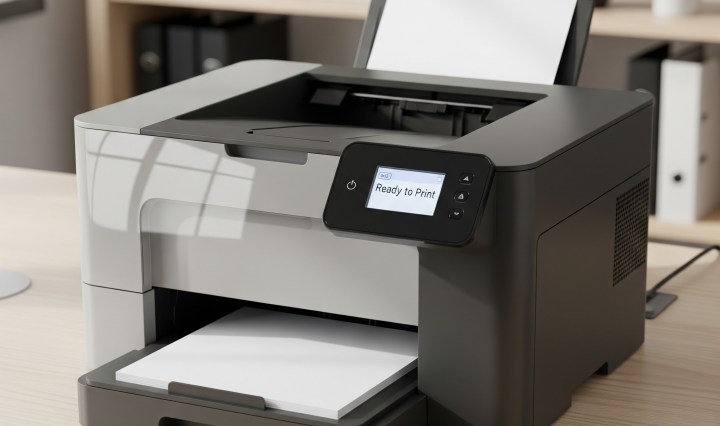
Laser printers are known for their speed, precision, and low cost per page, making them a popular choice for both office and home use. They operate by using a laser beam to project an image onto a drum, which then attracts toner (a fine powder) that is fused onto the paper with heat.

Laser Printers

Types of Laser Printers

Laser printers can be broadly categorized based on their color capability and function.

By Color Capability

1. Monochrome (Black and White) Laser Printers

These printers use a single black toner cartridge and are designed exclusively for printing text and images in black and white.

  • Pros: They are typically faster, have a lower upfront cost, and the toner cartridges are cheaper than color ones.
  • Cons: Cannot print in color.
  • Best for: High-volume text printing, professional documents where color is not required.

2. Color Laser Printers

Color laser printers use four separate toner cartridges—Cyan, Magenta, Yellow, and Black (CMYK)—to produce full-color documents.

  • Pros: Can print vibrant, high-quality color documents, graphics, and photos.
  • Cons: Higher initial cost, and the cost of replacing four toner cartridges is significantly higher than one black cartridge. They can also be larger and slower than monochrome models.
  • Best for: Marketing materials, reports with color charts, presentations, and general-purpose home and office use where color is necessary.

By Function

1. Single-Function Laser Printers

These printers are dedicated solely to printing. They are simple, often compact, and focus on delivering high-quality printouts efficiently.

2. Multifunction Printers (MFPs) or All-in-One (AIO) Laser Printers

MFPs combine multiple functions into one device, typically including printing, scanning, copying, and often faxing.

FunctionDescription
PrintProduces hard copies from digital files
ScanConverts hard copies into digital files
CopyMakes duplicates of hard copies
FaxTransmits documents over a telephone line
  • Pros: Space-saving, cost-effective (compared to buying four separate devices), and convenient for home offices.
  • Cons: If one component breaks, the entire unit may be affected. The size is generally larger than a single-function printer.
  • Best for: Users who need more than just printing, such as students, freelancers, and small businesses.

Which Laser Printer Type is Good for Homes?

For most home users, the ideal laser printer strikes a balance between functionality, size, and cost.

Primary Recommendation: Monochrome Multifunction Laser Printer

A Monochrome Multifunction (All-in-One) Laser Printer is generally the best choice for the average household or home office, due to the following reasons:

  1. Cost-Effectiveness: The upfront cost is lower than a color laser, and the running cost (toner) is minimal, as most home printing is black text.
  2. Versatility: The scanning and copying functions are essential for managing bills, schoolwork, and digitalizing important documents.
  3. Speed and Quality: They provide rapid printing of text documents with sharp, professional-grade quality.

Secondary Recommendation: Color Multifunction Laser Printer

A Color Multifunction (All-in-One) Laser Printer is a better fit if color printing is a frequent necessity.

  • Who should choose this: Families with students who require color reports, or home-based professionals who print marketing materials or presentations with color graphs.

Before purchasing, consider reviewing the user guide in the document File, and make sure to check if the printer is compatible with your operating system, which is mentioned in the event Calendar event.

Opportunity Card for Ausbildung in Germany: The 2026 Strategic Entry Guide

The persistent frustration of international applicants often stems from the “Digital Wall.” You send hundreds of tailored applications from Karachi or Doha to German firms, yet the silence is deafening. Companies in Munich or Hamburg hesitate to hire someone they cannot meet in person. The Opportunity Card for Ausbildung in Germany, or Chancenkarte, effectively shatters this barrier by allowing you to search for vocational training while living within the country. It is no longer a matter of waiting for an invitation; it is about standing at the doorstep of your future.

The Credible Foundation of the 2026 Points System

The German government has refined the Chancenkarte to address acute labor shortages in IT, healthcare, and engineering. To qualify for the Opportunity Card for Ausbildung in Germany, you must accumulate at least six points based on specific criteria. Is the financial requirement a hurdle? Current 2026 regulations mandate proof of funds totaling €1,091 per month (approximately €13,092 annually). This can be verified through a blocked account, a formal obligation letter (Verpflichtungserklärung), or even a part-time job contract already signed in Germany.

2026 Points Distribution Table

CriterionLevel / DetailPoints
Partial RecognitionForeign qualification established as partially equivalent4
Work Experience5 years in last 7 years3
Work Experience2 years in last 5 years2
German LanguageLevel B2 or higher3
German LanguageLevel B12
German LanguageLevel A21
English LanguageLevel C1 or native proficiency1
AgeUnder 35 years old2
AgeBetween 35 and 40 years old1
Shortage OccupationIT, Healthcare, Engineering, or Teaching1

Navigating the Shift from Distance to Presence

The transition from a distant applicant to a local candidate is the primary catalyst for success. The avoidance of the traditional visa bottleneck is achieved through this points-based flexibility. Consider the Opportunity Card as a backstage pass to the German labor market; you are no longer a name in a crowded inbox, but a face in the interview room. This physical presence is vital for Ausbildung seekers because many medium-sized German companies—the “Mittelstand”—prioritize personal chemistry and local reliability over digital resumes.

What happens if you lack a high-level German certificate? The 2026 updates have introduced a “partial recognition” pathway. If you have a degree from Pakistan or another non-EU state, you can enter Germany to find a training spot that “bridges” the gap between your current skills and German standards. This analytical approach to migration ensures that your entry is not just a visit, but a calculated step toward permanent residency. The 20-hour weekly work allowance provides a safety net, ensuring that the search for a vocational contract does not become a financial burden.

Step-by-Step Application Checklist

  1. Verification of Qualification: Check the Anabin database or apply for a Statement of Comparability from the ZAB to determine if you need the points-based route.
  2. Language Certification: Secure an ALTE-standard certificate (Goethe, ÖSD, or IELTS for English).
  3. Financial Provision: Deposit €13,092 into a blocked account or secure a sponsor in Germany.
  4. Health Insurance: Arrange for “Incoming Insurance” that meets the specific statutory standards of the German mission.
  5. Consulate Appointment: Register on the Consular Services Portal; for Karachi applicants, use the specific Karachi Consulate-General link to avoid delays.

A Strategic Conclusion on the 2026 Migration Shift

The landscape of German vocational training is undergoing a radical transformation. The Chancenkarte represents a shift from rigid, bureaucratic entry to a merit-based, proactive system. It demands a high degree of personal initiative, yet the rewards are substantial. By securing an Ausbildung through this route, you bypass the need for a blocked account once your contract begins, as your employer will pay you a monthly stipend.

The strategic utilization of the Opportunity Card for Ausbildung in Germany is the most effective way to turn a dream of European residency into a tangible reality. The window for 2026 is currently open, and the demand for skilled trainees has never been higher. Do not wait for a contract to find you; use the card to find the contract.


Industrial Impact Printing Solutions: The Relentless Pulse of Modern Logistics

The mechanical rhythmic clatter of a dot matrix printer often triggers a sense of nostalgia for the office environments of the 1980s. However, for the seasoned logistics manager in Karachi or the factory supervisor in Munich, this sound represents something entirely different: reliability. While the sleek, silent operation of laser printing dominates the modern corporate suite, the rugged reality of the industrial world demands a level of physical endurance that only impact technology can provide. Why does a technology designed decades ago continue to outpace its modern rivals in the most demanding environments on Earth?

A professional female logistics manager standing in a high-temperature 45°C warehouse with an OKI Microline dot matrix printer and modern Wi-Fi connectivity.

Industrial Impact Printing Solutions

The persistence of dot matrix technology is not a sentimental attachment to the past but a calculation of raw economic utility. According to 2026 industrial market forecasts, the demand for Industrial Impact Printing Solutions remains robust, particularly within the $54$ billion dollar global printing sector. Unlike non-impact printers, which rely on static electricity or heat-sensitive toner, dot matrix units utilize a physical strike mechanism. This “impact” is the only method capable of penetrating multi-part carbonless forms (NCR) to create simultaneous, legally binding duplicates.

  • Mechanical Non-Repudiation: A 24-pin impact strike creates a physical indentation in paper fibers, forming a tamper-evident forensic record essential for international customs.
  • Thermal Resilience: High-performance models like the Epson LQ-series or OKI Microline operate in temperatures exceeding 45°C, where laser fusers frequently overheat and fail.
  • Operational Economy: The cost-per-page for a high-yield ribbon is approximately 90% lower than that of enterprise laser toner, with a Mean Time Between Failure (MTBF) often exceeding 10,000 operating hours.

Engineering Survival in the Digital Age

The avoidance of modernization is often framed as a failure to adapt, yet in the context of global supply chains, it is a strategic triumph. Consider the environment of a modern shipping port. The air is thick with salt spray and fine particulate dust: conditions that would render a delicate inkjet printer useless within hours. Here, the dot matrix printer acts as a tank in a field of glass figurines. It does not require a pristine environment; it requires only a power source and a ribbon.

Does the noisy nature of the device not suggest a lack of refinement? On the contrary, that noise is the sound of mechanical certainty. The transition from 9-pin to 24-pin configurations has allowed these machines to produce Near Letter Quality (NLQ) text that satisfies both internal audits and external compliance. We see a fascinating paradox where the most “primitive” printing method facilitates the most complex global movements of goods. Modern units now feature IPv6-ready Ethernet and Wi-Fi 6 connectivity, ensuring they remain visible to contemporary ERP systems while maintaining their legacy “strike” capability.

A Conclusion Rooted in Mechanical Veracity

The continued relevance of impact technology serves as a potent reminder that “new” is not a synonym for “superior.” In the high-stakes world of industrial logistics, where a failed printer can halt a multi-million dollar shipment, the preference for proven durability over aesthetic silence is entirely rational. Industrial Impact Printing Solutions are not relics; they are the specialized tools of a global infrastructure that cannot afford to fail. As long as the world requires physical signatures on triplicate forms and hardware that survives the harshest climates, the screech of the dot matrix will remain the heartbeat of the industry.

The Hidden Pressure on Mothers Across Faiths

The hidden pressure on mothers is rising across faith communities and cultures. In religious households from Munich to Karachi, one message repeats itself in different languages. The world is dangerous. Mothers must guard their children.

Mother standing by a window at dusk while her child plays nearby, symbolizing the hidden pressure on mothers across faiths in modern pluralistic societies.

In Christian circles, the language is spiritual warfare. In Muslim homes, it is fear of fitna and moral erosion. In Jewish communities, leaders warn about assimilation and cultural dilution. The vocabulary changes. The anxiety does not.

Motherhood becomes the frontline.

This hidden pressure on mothers rarely arrives as accusation. It arrives as advice. Protect their innocence. Filter their friends. Monitor their screens. Anticipate corruption before it reaches the home.

Responsibility concentrates on mothers.

Data shows the strain is real. According to research by the Pew Research Center, mothers consistently report higher levels of parenting stress. This is more than what fathers experience across Western societies. Economic uncertainty, digital exposure, and social comparison amplify the load. When moral survival is framed as primarily maternal responsibility, the weight deepens.

Stress accumulates quietly.

Psychologists have also observed how parental anxiety transfers to children. The American Psychological Association notes that children absorb parental emotional cues, especially when adults model hyper vigilance. Atmosphere teaches before instruction does.

The pattern crosses borders.

My grandson, Salar, grows up in Munich. He navigates pluralism before he understands the word. Multiple languages echo in his playground. Cultural difference is not theoretical. It is ordinary.

My granddaughter, Raahima, grows up in Karachi. Extended family forms a living perimeter. Evenings carry the sound of the azaan above traffic. Belief moves through repetition and proximity. Values are absorbed through presence.

Two cities. Two contexts. The same hidden pressure on mothers.

In Germany, the fear centers on secular drift and assimilation. In Karachi, the fear centers on digital saturation and moral confusion entering through screens. Different threats. Same expectation. The mother must anticipate and prevent.

Prevention becomes identity.

Why the Hidden Pressure on Mothers Is Growing in Pluralistic Societies

When culture is framed primarily as hostile, parenting shifts from formation to surveillance. Every app appears suspicious. Every disagreement signals danger. Every institutional failure feels personal.

Surveillance exhausts people.

Research from the Harvard Center on the Developing Child shows that resilience develops when children encounter manageable challenges within supportive relationships. Strength grows through guided exposure, not permanent insulation. Overprotection, by contrast, can delay independent coping skills.

Pluralistic Germany cannot be navigated through isolation. Urban Karachi cannot be navigated through nostalgia. Both environments demand children who build internal clarity and emotional regulation.

Preparation requires participation.

Fathers matter. Extended family matters. Schools matter. Faith institutions matter. Law matters. No society sustains itself through maternal vigilance alone.

Reducing parenting to maternal defense deepens the hidden pressure on mothers. It isolates them from community support and silently normalizes anxiety as virtue.

Sometimes I wonder whether our language of cultural collapse reveals adult fear more than objective threat. Children often display adaptability that unsettles our assumptions. Salar shifts between languages with ease. Raahima absorbs norms through warmth and repetition.

Children grow through structured freedom.

Protection remains necessary. Exploitation exists. Digital manipulation exists. Ideological extremism exists. However, defining the world exclusively by its worst expressions distorts reality and intensifies the hidden pressure on mothers.

Across faiths and across borders, the question remains.

Will we continue to load moral survival onto mothers alone, or will we build networks that share responsibility?

Preparation, not panic, shapes adults.

Life in Munich for Pakistani Expats: The High-Cost, High-Reward Reality

The transition from the bustling heat of Karachi to the alpine crispness of Munich is more than a geographic shift. It is a profound upgrade in life’s “operating system.” When discussing life in Munich for Pakistani expats, you often find that online guides offer a generic picture of Germany. However, the reality for a Pakistani professional in Bavaria combines technical rigor with community resilience. Is the high cost of living worth the unparalleled security and career growth? The answer lies in understanding the local landscape. You should do this before you even board the plane at Jinnah International.

Navigating the 2026 Financial Threshold

Munich remains Germany’s most expensive city. Yet it is also its most rewarding economic powerhouse. As of 2026, the cost of living for a single professional in a shared apartment (WG) ranges between €1,400 and €1,900 per month. Life in Munich for Pakistani expats is shaped by housing costs and job opportunities, among other factors. For those seeking a private one-bedroom apartment in the city center, expect to pay upwards of €1,537. This figure has climbed steadily despite national housing efforts.

To ensure your move is backed by “Information Gain,” consider these 2026 data points:

  • The Deutschland-Ticket Update: From January 2026, the nationwide transport pass has increased to €63 per month.
  • Stipend Thresholds: For those entering as trainees, the livelihood is considered secure if the training allowance is at least €1,048 gross or €822 net per month.
  • The Halal Infrastructure: Munich hosts over 10 mosques and a dense network of Turkish supermarkets around Goetheplatz where raw halal meat and Pakistani spices are readily available.

Precision and Innovation in Bavaria

Living in Munich requires a “Soul Extraction” of your previous habits. In Karachi, time is often fluid; in Munich, time is a currency. The efficiency of the MVV system means that being three minutes late is not a minor inconvenience—it is a professional failure. This Bavarian precision extends into the high-tech laboratories where the city’s future is engineered. Moreover, Life in Munich for Pakistani expats involves adapting to new social norms and professional standards.

For Dr. Fareha Jamal, who works as a Research Associate at BioNTech SE in Munich, the city represents the global frontier of biotechnology. Her work in MAP screening and biology illustrates the high standards of German research. Imagine Munich as a high-performance engine: every component, from the scientist in the lab to the apprentice in the workshop, must move in perfect synchronicity. For a Pakistani expat, the challenge is finding your “tribe” within this machine. You will find that the local mosques, like the Islamic Center Munich (IZM), serve not just as places of worship, but as vital networking hubs. These centers are where “earned IP” on everything from visa renewals to finding a “halal Döner” is shared freely. In short, Life in Munich for Pakistani expats means finding connections through culture and faith.

“The avoidance of isolation is the primary directive for a new expat; the community hubs are the bridges to long-term success.”


Conclusion: A Calculated Investment in Quality

Life in Munich for Pakistani expats is a marathon, not a sprint. The initial “sticker shock” of the rental market is balanced by the highest safety ratings in Europe. In addition, you benefit from a job market that actively hunts for technical talent. If you can navigate the first six months of administrative paperwork and the “Cold Bureaucracy,” the reward is a life of stability and prestige. Few other global cities can match this level of reward.