The Ultimate Guide to Staying Ageless After 60: 6 Superfoods You Need Daily

Getting older doesn’t mean settling for feeling older. The most groundbreaking nutrition research of 2025 reveals that specific dietary choices can slow your biological clock. Adults following optimal eating patterns show 86% higher odds of healthy aging compared to those with poor diets. Nature +2 What’s even more exciting? You don’t need expensive supplements or extreme restrictions. Instead, you need just six science-backed superfoods. They work at the cellular level to keep you vibrant, sharp, and strong well into your golden years. Nature

Decades of research involving over 100,000 participants provide us with insights. The difference between those who age gracefully and those who struggle isn’t just genetics. It’s the consistent daily choices that either accelerate or decelerate aging at the molecular level. Nature +2 After 60, your body faces unique challenges. These include declining muscle mass, cognitive changes, and increased inflammation. Targeted nutrition can significantly counter these effects through well-understood biological mechanisms. NatureMyplate

Why your nutrition strategy must change after 60

Your sixties aren’t just your forties with a few more candles on the cake. Fundamental biological shifts require a more strategic approach to eating, and recent research reveals exactly why timing matters so much.

Your protein needs just increased by 50%. New clinical guidelines for 2024 recommend adults over 60 consume 1.2-1.6 grams of protein per kilogram of body weight daily—a significant jump from the previous 0.8g recommendation. Myplate This isn’t arbitrary. Studies show adequate protein intake reduces muscle loss by 30-40% compared to inadequate intake. This directly impacts your independence and quality of life. Nutrition +2

Your cellular repair systems are working overtime. Research published in Nature Medicine this year identified that aging cells release inflammatory compounds. These compounds are called SASP (Senescence-Associated Secretory Phenotype). This creates a vicious cycle. Inflammation accelerates aging. NatureNutraingredients-usa The good news? Specific nutrients can interrupt this cycle, essentially acting as cellular “janitors” that clean up the molecular mess. ResearchGatePubMed

Your absorption efficiency has declined. Your stomach produces less acid, your intestines absorb nutrients differently, and your kidneys process compounds more slowly. The Nutrition Source +3 This means the same apple that provided certain benefits at 40 has different requirements at 65. It needs strategic partners, like healthy fats or specific timing, to deliver maximum impact. Myplate

The magnificent six: superfoods with serious science behind them

1. Wild blueberries pack cognitive superpowers

The breakthrough finding: A six-month clinical trial was published in 2024. It showed that adults aged 75-80 consuming wild blueberry powder daily experienced 9-15% improvement in cognitive processing speed. They also made 24% fewer cognitive errors. Taylor & FrancisPubMed That’s not just feeling sharper—that’s measurable brain enhancement. Deseret News

Wild blueberries contain 302mg of anthocyanins per serving, powerful compounds that cross the blood-brain barrier and literally enhance neural communication. Worldhealth +3 Unlike regular blueberries, wild varieties pack twice the antioxidants. They have been shown to protect brain cells from the inflammatory damage that accumulates with age. WebMDNcoa

Your daily strategy: Add 1 cup of frozen wild blueberries to morning oats or yogurt, or blend into smoothies. The freezing process actually makes some nutrients more bioavailable, and frozen varieties are more budget-friendly than fresh.

2. Extra virgin olive oil extends healthy lifespan

The largest study on healthy aging ever conducted followed 105,015 people for 30 years. It identified extra virgin olive oil as a cornerstone of longevity. People with the highest olive oil consumption had 1.86 times higher odds of reaching age 70 with excellent physical and cognitive function. Nature +3

The mechanism involves monounsaturated fats that reduce systemic inflammation while providing polyphenols that activate cellular cleanup processes. FrontiersHealthline These compounds literally slow the aging of your DNA. They do this by protecting telomeres, which are the protective caps on chromosomes that shorten with age. Nih

Your daily strategy: Use 2-3 tablespoons daily, but not just for cooking. Drizzle over vegetables, use in salad dressings, or even take a spoonful directly. Heat reduces some benefits, so save your highest-quality oil for finishing dishes.

3. Fatty fish delivers brain-protecting omega-3s

The evidence is overwhelming: Regular consumption of fatty fish reduces cognitive decline rates by 20-30% while supporting cardiovascular health. MDPIAmericancancerfund The omega-3 fatty acids EPA and DHA work through specialized pro-resolving mediators. These mediators actively resolve inflammation rather than simply suppressing it. ScienceDirect

Recent pharmaceutical research reveals that omega-3s activate PPARα pathways. This promotes cellular energy production. It also protects against the metabolic dysfunction that underlies many age-related diseases. ScienceDirect A study conducted in 2024 showed that combined omega-3 supplementation slowed biological aging. It reduced aging by 4 months on epigenetic clocks. This essentially turned back time at the cellular level. Aging-us +2

Your daily strategy: Aim for 2-3 servings weekly of salmon, sardines, mackerel, or tuna. Canned varieties are equally nutritious and more affordable. Americancancerfund +2 If fresh fish isn’t accessible, a high-quality omega-3 supplement providing 1-2g EPA/DHA daily offers similar benefits.

4. Tree nuts boost cognitive resilience

Daily nut consumption provides 15-20% better cognitive function retention in adults over 70, according to multiple 2024 studies. New Atlas One ounce daily—about 24 almonds or 18 cashews—was associated with 12% slower cognitive aging over time. Ncoa

Nuts offer a unique combination of vitamin E, healthy fats, and plant protein. This combination supports brain health and muscle maintenance. NcoaAARP The magnesium in nuts also supports over 300 enzymatic reactions involved in energy production and DNA repair.

Your daily strategy: Rotate varieties throughout the week to maximize nutrient diversity. Walnuts provide the highest omega-3 content among tree nuts, while almonds offer the most vitamin E. AARP Raw or dry-roasted varieties avoid the excess sodium found in many flavored options.

5. Dark leafy greens slow cognitive decline dramatically

The numbers are striking: Consuming two or more servings of leafy greens daily is associated with 35% slower cognitive decline. This is compared to consuming less than one serving. Good HousekeepingU.S. News & World Report This effect remained significant even after accounting for other lifestyle factors.

Spinach, kale, and Swiss chard provide lutein, folate, and vitamin K—nutrients specifically concentrated in brain tissue. WebMD +3 These compounds support neurotransmitter synthesis while protecting against the oxidative stress that accumulates in neural tissue over time.

Your daily strategy: Sauté with garlic and olive oil. Doing this will enhance the absorption of fat-soluble vitamins. You can add them to soups and stews. Alternatively, blend them into smoothies where their flavor is masked by fruits. Frozen options retain nutrients and are often more convenient.

6. Cruciferous vegetables activate cellular detox

Broccoli, Brussels sprouts, and cauliflower contain sulforaphane, a compound that activates Nrf2 pathways—your cells’ master detoxification system. Americancancerfund Recent research shows regular consumption produces 25% improvement in cellular aging biomarkers.

These vegetables essentially teach your cells to better handle the daily assault of toxins. They help manage damaged proteins and oxidative stress that accumulates with age. The process is like upgrading your cellular recycling system to work more efficiently.

Your daily strategy: Lightly steam or sauté to preserve sulforaphane content. Cooking with mustard seed or adding a pinch of mustard powder increases bioavailability through enzyme activation.

Traditional wisdom meets modern science

For readers from South Asian backgrounds, many of these recommendations align beautifully with traditional dietary wisdom. Turmeric, a staple spice, contains curcumin compounds that work through the same anti-inflammatory pathways as many of these superfoods. Healthline +4 Traditional preparation methods—like cooking with healthy oils and combining various vegetables—actually enhance nutrient absorption. Diabetes

The challenge many families face is balancing cultural food preferences with optimal nutrition while managing budget constraints. Consider enhancing traditional dal with extra vegetables. Use olive oil alongside traditional cooking methods. Incorporate nuts and seeds into familiar dishes. Small modifications to beloved recipes often provide significant health benefits without sacrificing cultural connection.

Making it work in real life

Start with one superfood per week. Rather than overhauling everything at once, add one new superfood weekly while maintaining foods you enjoy. This approach has higher long-term success rates and allows your taste preferences to gradually adapt.

Leverage convenience when needed. Frozen blueberries, canned salmon, pre-washed greens, and bagged nuts remove preparation barriers. U.S. News & World ReportHarvard Health The goal is consistent consumption, not perfect preparation.

Address common concerns directly. If medications affect your appetite, focus on nutrient-dense options in smaller portions. If budget is tight, prioritize the most cost-effective options: frozen berries, canned fish, seasonal produce, and nuts in bulk. TodayCedars-sinai If cooking feels overwhelming, start with minimal-preparation options like adding nuts to yogurt or berries to oatmeal. MeetCaregivers

The compound effect of consistent choices

What makes this approach so powerful isn’t any single superfood. It’s the compound effect of consistent daily choices over months and years. A 30-year Harvard study identified these patterns. The study shows that your dietary quality in your 40s and 50s strongly predicts your health in your 70s. It also affects your health in your 80s. It also foretells your independence during that time. Nature +2

Each serving of these foods works at the cellular level. They reduce inflammation and support cognitive function. They also maintain muscle mass and activate your body’s natural repair mechanisms. ResearchGatePubMed The effects compound over time, with benefits becoming more pronounced the longer you maintain these patterns. MDPINih

The research is clear: Adults who consistently consume these six superfoods as part of a balanced diet show measurable improvements in biological age markers within 3-6 months. Long-term benefits continue to accrue over years. This isn’t about perfection—it’s about progress toward a more vibrant, independent future.

Your next 90 days

Based on the evidence, your most impactful next steps are surprisingly simple. Add wild blueberries to breakfast. Use olive oil as your primary cooking fat. Include fatty fish twice weekly. Snack on a small handful of mixed nuts daily. Eat leafy greens with lunch or dinner. Incorporate one serving of cruciferous vegetables into your routine.

These aren’t dramatic changes, but they’re the exact patterns identified in the longest-running studies on successful aging. Adults thriving in their 80s didn’t follow complicated protocols. They made consistent, evidence-based choices throughout their 60s and 70s. ColostateWHO

Remember: Nutrition provides a powerful foundation for healthy aging. It works best as part of a comprehensive approach. This includes regular physical activity, social connection, stress management, and quality sleep. Health +2 Always consult with your healthcare provider before making significant dietary changes. This is especially important if you’re managing chronic conditions. It is also important if you are taking medications that may interact with certain foods or supplements.

The science shows it’s never too late to start, but the sooner you begin, the more dramatic the benefits compound over time. Timeline Longevity Your future self—vibrant, sharp, and independent—is counting on the choices you make today.


WordPress Tags: healthy aging, superfoods, nutrition after 60, anti-aging foods, cognitive health, brain health, senior nutrition, longevity diet, Mediterranean diet, omega-3 fatty acids, antioxidants, senior wellness, aging gracefully, nutritional science

Facebook Post: 🌟 New research reveals 6 superfoods that can literally slow biological aging after 60! A groundbreaking 30-year Harvard study shows that specific dietary choices increase your odds of healthy aging by 86%. From wild blueberries that boost brain power to olive oil that extends lifespan, learn about the science-backed foods. These foods help you stay vibrant. They keep you sharp and strong.

Your nutrition strategy needs to evolve after 60—here’s exactly how to do it right. 💪✨

#HealthyAging #SuperfoodsAfter60 #AntiAging #BrainHealth #SeniorNutrition #LongevityDiet #HealthyLifestyle #NutritionScience #AgingGracefully #WellnessAfter60

#HealthyAging #Superfoods #BrainHealth #LongevityScience
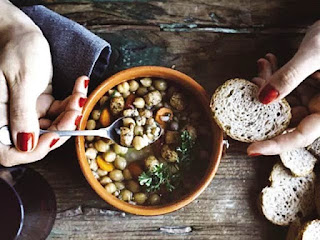
Which vitamins are best for brain health?

How can you make your mind healthier? A good place to start is to analyze what we eat. While ensuring that we consume the right vitamins, maintaining a balanced diet is essential to the body’s ability to function properly and the brain health.

According to the Us National Library of Medicine, “13 vitamins are essential for the normal functioning, growth and development of cells.” ‘

Vitamins for brain health

By the way, vitamins are naturally found in food, so it is important that we know which foods we should eat. Uma Naidu, a dietary psychologist at Harvard University School of Medicine, explains that the secret to your brain’s health is “what you eat and you have the power to choose.”

Dr Naidu is the author of a book titled ‘This Is Your Brain on Food’.

This book is a guide about the foods you can eat for your mental health, which foods are most harmful to your brain and which you should avoid. According to experts, vitamins are an important thing to keep our brain young and healthy. Here we summarize our conversation with a nutrition psychologist.

What are the best vitamins to protect our brain from old age?

The best vitamin covering many aspects of mental health is called ‘Vitamin B’. Apart from this, there are many vitamins and each of them has an important function for the brain. Why is vitamin B the most important? What’s so special about it?

There are 8 types of B vitamins. Vitamin B-1 helps us get energy with the functions of basic cells and the metabolism of various nutrients. Low levels of vitamin B-1 can weaken the ability to acquire knowledge as well as cause other problems in the body.

Vitamin B-12 is essential for the formation of red blood cells and DNA, but it also supports the development and function of the nervous system.

It does even more specific things for brain development, such as helping break down homocysteine, a heart-damaging protein that can lead to some form of dementia.

Vitamin B-9, which is folic acid, helps in neurotransmitter function and mental health. Supports DNA formation and is effective in reducing the toxicity inside the porous cells.

Low levels of folic acid are linked to unhappy mood. So by eating only green leafy vegetables, which are often rich in natural vitamin B-9 folic acid, your mood and emotional health are maintained.

These are the most common factors for some of the B vitamins and are essential elements for the health of our mental and cognitive ability.

Are all B vitamins good for the brain?

They have different benefits out of mind, but there is some element in all of them that helps you. That’s why when I am asked, I always answer that B vitamin is the same food that I choose for myself and advise others to eat the same.

Some are more directly related to the brain, such as vitamins B-12, B-9 and B-1, and others help with other most important functions of the body, such as the formation of blood cells. So, directly or indirectly, they are related to mental functioning.

Where can we get B vitamins?

Vitamin B can be obtained from many different foods. I want to help people by giving them memorization exercises (a simple phrase to remember in short that helps bring words together). This isn’t a complete list but it’s a helping list anyway. Then these English letters came to my mind: B.I.G. Y.E.S.S.S.(i.e. a big yes).

It has the letter B in English for beans, which means grains and includes beans, lentils, and other types of beans, etc. They are rich in vitamin B. Ignore the English letter I that comes after B.

The letter G is for vegetables. It groups all the different varieties of green leafy vegetables. The greener the better because green leafy vegetables are rich in folic acid. And Y(Y) is for dairy yogurt, which contains riboflavin, which is vitamin B-2 and also contains vitamin B-12.

Always choose the type of natural yogurt. There is even non-dairy yogurt that contains these vitamins, so use it too.

If you eat eggs, I always recommend buying eggs from chickens living in pastures. They are rich in vitamin B-7, which is biotin.

In the English word YESS, the first SS is for salmon (a type of rho fish). Many people know that salmon B is rich in vitamins, including vitamin B. 2 or riboflavin, vitamin B. 3 or niacin, vitamin B. 6 or pyridoxine, and vitamin B. 12 or cobalamin included. They all help the brain.

The second S(S) of the same English word is for sunflower seeds. These are one of the best sources of vitamin B-5, which is called pantothenic acid. 20% of the recommended daily requirement of this vitamin can be obtained from just one ounce (28 grams) of these seeds. To get this vitamin, it is quite easy to add them to a salad or drink and add it as part of your diet.

What is the recommended daily recommended amount of vitamin B for our brain health?

When it comes to food, we’re not entirely sure about the exact doses of vitamins in tablets. This is the topic I want to talk about, a healthy and complete diet that is balanced.

Each person is completely unique. Try to include a healthy and balanced diet in your diet. Don’t eat only beans, don’t eat only green leafy vegetables because then you’ll lose the other seven types of vitamin B. On the Internet you can find different vitamins and recommended daily intake.

Are there any disadvantages of using vitamin B?

It is important to know how much and what should be eaten in the recommended amount. Your body absorbs the food you eat as needed and excretes the rest through urine. The belief that eating or drinking something extra will help you more when it comes to vitamins is often a myth. Use the recommended amount and eat a healthy and balanced diet.

The first step is to understand the symptoms that are affecting the person, what kind of food they like and what they do not eat. Often during this conversation, I understand something about them, such as some of the foods they depend on whether they are healthy or not. A good example of this is yogurt that contains probiotics and offers great benefits.

Blueberries (falsa) are also good food. However, eating blueberries with yogurt is not the healthiest choice because the combination of fruits and yogurt causes a combination of too much sugar, which is not a healthy food for your brain.

It is healthier to take yogurt in a bowl and eat frozen or fresh blueberries in it, sweet with a little cinnamon, honey and so on. If you don’t eat fish, eggs, or yogurt, look for alternatives to these foods. A major source of vitamin B-12 for vegetarians is dietary yeast.

I like to say two things:

Eat malt, don’t buy a box of malt juice because malt contains fiber, vitamins, nutrients, minerals that you need. Cans of malt juice often contain large amounts of sugar and remove malt fibers, making it a less healthy juice.

You have the power to choose a diet. This is the authority that is in your own hands and it is so powerful that you realize it.

see also : Simple habits that help keep the brain young at all ages

Simple habits that help keep the brain young at all ages

It would not be wrong to say that no matter how strong the body is, if it is mentally weak, it is not possible to move forward in the world or imagine a bright future. Surprisingly, people pay attention to physical health but neglect brain health.

Simple habits for brain health
Photo by Ketut Subiyanto on Pexels.com

In fact, the brain is a part of our body that is never slow to protect itself from the effects of aging. Or you can stay mentally young by adopting things.

If you think that the brain is so old that it cannot learn new things and that it is not possible to avoid brain degeneration, then know that brain nerve cells continue to form in this part which works to analyze memories and this process lasts for 90 years. Continues even after the age of.

According to a Canadian study, regularizing brain-strengthening habits on a daily basis helps to increase resistance to aging and disease.

Learn about some of the simple habits that prevent the brain from aging despite increasing physical age.

Be active

According to a study published in the medical journal JAMA Network Open, people who walk 10,000 or more steps a day in middle age have on average 2.2 years younger than their peers. In addition, a 2018 study found that maintaining fitness with age also helps prevent depression in middle age or old age. This is because physical activity reduces inflammation and stimulates the release of chemicals that stimulate the development of brain cells and cerebral arteries. Physical activity also improves mental stress and sleep, which also helps keep the brain healthy.

Green vegetables

According to a study published in the medical journal Neurology, people who eat green vegetables at least once a day, those who eat them occasionally, are 11 years younger mentally. Researchers believe that lutein, an ingredient in spinach and greens, may be the cause. Earlier, another study found that lutein helps increase the rate of gray matter in the brain. Gray meter is related to memory. The more green vegetables you eat, your body will absorb more lutein. The lutein stored in the body will help your brain for a long time.

Brain test games

Newspaper crosswords or puzzles, chess or any kind of brain-stimulating game can reduce people’s mental age by up to 8 years, in fact the mental capacity of such people to solve problems Can be equal

Control blood pressure

You may be aware that high blood pressure increases the risk of heart disease and stroke, but having high blood pressure in 40s, 50s or s60s can be devastating for the mind later in life. Can prove

Understand the importance of sleep

According to medical experts, if you want to maintain mental function with age, then make good sleep a priority. Medical research reports have shown that good and deep sleep is essential for the development of hormones that protect healthy brain processes such as memory and alertness from degradation. Our brain cleanses various harmful ingredients like amino acids, beta amyloid during sleep, if the quality of sleep is poor then this waste is not cleaned and it starts to accumulate. Beta amyloid is the most important factor causing Alzheimer’s

Avoid junk food

Filling your stomach with fast or junk food stimulates the immune cells in the brain, which can lead to low-grade inflammation, which is a major cause of Alzheimer’s disease. A 2015 study found that eating junk or processed foods reduced the volume of brain tissue and could lead to dementia or brain degeneration. If you have been eating fast food all your life, then adopting a healthy diet is enough to reduce the risk of mental retardation.

Good friends are good for the brain too

According to Harvard Medical School, emotional support stimulates specific parts of the brain to help create compounds or molecules that are essential for repairing brain cells as they make new connections. A 2017 study on social isolation found that it reduced levels of the compound and increased the risk of Alzheimer’s disease. According to researchers, as social connections decrease with age, it is important to strengthen the relationship with your friends.

Get in the habit of eating berries

Strawberries, blueberries, mulberries or any type of berry are good for mental health because of the presence of antioxidants that fight against oxidative stress. Oxidative stress, a type of omega-3 fatty acid that protects the brain, lowers DHA levels. Eating a small amount of berries a few times a week helps maintain proper brain function by protecting DHA levels. Simply put, eating strawberries 3 or 4 times a week can reduce the risk of memory loss for up to two and a half years.

Meditation

A study of meditators in their 50s found that their brains were on average seven and a half years younger than their peers. Even better, after the age of 50, with each passing year, the habit of meditation reduces mental age by 22 days a month.

Enjoy the fish

DHA, a type of omega-3 fatty acid, helps keep brain functions normal and functioning efficiently. These fatty acids are obtained from food when our bodies are unable to make them themselves. DHA is found in fish meat, especially in high-fat fish. One study found that eating fish once a week can help improve thinking ability and is also beneficial for people with a higher risk of Alzheimer’s disease.

Avoid diabetes

People with pre-diabetes and diabetes experience a decline in long-term memory and problem-solving abilities. According to a study, if patients keep their blood sugar levels normal or people with pre-diabetes slow down the process of developing diabetes, their mental health will not be affected much.

Eat nuts

Walnuts are considered a brain food, especially walnuts contain healthy omega-3 fatty acids, alpha-linolenic acid, which enter the body and take the form of omega-3 DHA. The importance of DHA has been mentioned above which is very important for the protection of brain functions. Getting into the habit of eating walnuts also helps in quick decision making, mental flexibility and better memory. If you don’t like walnuts, people over the age of 55 can keep their mind sharp by eating 10 grams of almonds or peanut butter daily. Are

Reduce Stress

Stress is not a problem in itself, it depends on how our body reacts to it. A recent study found that those who react negatively to stressful situations are more affected by mental focus and mental health. Researchers have found that people who over-react to stress tend to perform poorly on mental tests.

Learn something new

A 2014 study found that people over the age of 60 should adopt mindful hobbies that improve memory and speed of analysis. Researchers believe that hobbies that burn creativity strengthen the brain’s defenses, while it is not necessary to wait until the age of 60 to learn something new, according to another study. Learning improves mental security.

see also: Which vitamins are best for brain health?